
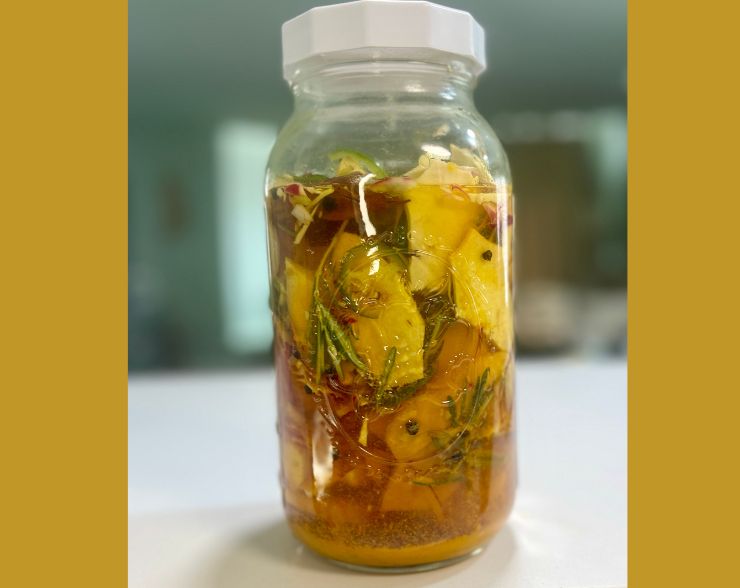
Homemade Fire Cider


Fire Cider, What It Is and Why People Make It

Fire cider is a traditional folk tonic made by infusing pungent roots, aromatics, citrus, and hot peppers in raw apple cider vinegar. It has been used for generations as a seasonal support tonic, especially during colder months or times when the body feels run down.

This is not a gentle preparation. Fire cider is meant to be bold, warming, and stimulating. That intensity is part of the point.

A Folk Tradition, Not a Formula

Fire cider does not come from a single official recipe. It comes from tradition. Historically, people used what they had on hand, adjusted for taste, and passed methods down rather than measurements.

What matters most is the backbone, the group of ingredients that consistently show up across traditional versions. Everything beyond that is personalization.

Fire cider is better understood as a method, not a rigid recipe.

The Backbone Ingredients, and Why They Matter

The core ingredients in fire cider are chosen for both function and synergy. Each one plays a role.

Onion and garlic are valued for their traditional immune and antimicrobial support. They also provide sulfur compounds that give fire cider its unmistakable bite.

Ginger brings warmth and circulation support and has long been used to support digestion.

Turmeric contributes compounds traditionally associated with supporting a healthy inflammatory response.

Horseradish is responsible for that sinus-opening, eye-watering moment. It has a long history of use for respiratory support.

Hot peppers increase circulation and bring heat. The level can be adjusted, but their presence matters.

Lemon adds brightness, balance, and vitamin C. In traditional preparations, citrus helps round out the sharpness of vinegar and roots.

Raw apple cider vinegar acts as the extraction medium, pulling beneficial compounds from the ingredients while also supporting digestion.

Honey balances the intensity and adds its own traditional soothing qualities. Whether added during infusion or after straining, it is part of the classic preparation.

Optional Add-Ins and Seasonal Variations

Once the backbone is in place, add-ins become a way to personalize flavor rather than change function.

Spices like cinnamon, cloves, or peppercorns add warmth and depth. Herbs such as rosemary or thyme lean into respiratory support. Citrus peel adds aroma.

Seasonal additions, like fresh cranberries, bring tartness and antioxidants without overpowering the base. These additions do not make fire cider stronger, they simply make it yours.

Why Fire Cider Feels So Intense

Fire cider works on multiple sensory levels at once. The vinegar is sharp. The roots are pungent. The peppers are hot. The aromatics move quickly through the sinuses.

That intensity is why many people take it as a quick shot rather than sipping it slowly. Others prefer it diluted in warm water or tea. Both approaches are valid.

If fire cider makes you pause after the first sip, it is doing exactly what it was designed to do.

A Note on Expectations

Fire cider is a traditional folk preparation, not a medicine. It is meant to support the body, not replace medical care.

It is also meant to be flexible. Ingredient amounts vary. Heat levels vary. Sweetness varies. That adaptability is part of why fire cider has lasted.

Final Thoughts

Fire cider has endured because it is simple, practical, and effective at what it sets out to do. It wakes you up. It warms you from the inside out. It supports the body using ingredients people have trusted for generations.

Strong on purpose, flexible by design, and deeply rooted in tradition.

Homemade Fire Cider

Gari McMellon
Fire cider is a traditional folk tonic made by infusing warming roots, aromatics, and hot peppers in raw apple cider vinegar. It has been used for generations to support immune health, digestion, circulation, and respiratory wellness, especially during seasonal shifts. This version follows the classic backbone ingredients, with honey added at the start for a more integrated, rounded flavor.
Fire cider is not meant to be gentle. It is meant to be strong.
Prep Time 20 minutes
Course Appetizer, condiment, tonic
Cuisine American, Mediterranean, Traditional

Equipment

  • ½-gallon glass jar (recommended for this ingredient volume)
  • Non-reactive lid or flour sack towel + rubber band

Ingredients
  

Fire Cider Backbone

  • 1 onion, roughly chopped
  • 1 head garlic, cloves smashed
  • 1 large piece fresh ginger, about 4–5 inches, sliced or grated
  • 1 large piece fresh turmeric, about 3–4 inches, sliced or grated(or 2 tablespoons dried turmeric)
  • 1 cup fresh horseradish roots, peeled and grated(about 1 cup grated)
  • 2-3 hot peppers, sliced(jalapeño, cayenne, or habanero)
  • 1 lemon, sliced
  • Raw apple cider vinegar, enough to fully cover ingredients
  • 2-4 tbsp Raw honey

Optional Add-Ins

Instructions
 

  • Prepare ingredients
    Wash and prep all ingredients. Slice, grate, or chop to expose surface area. A food processor with a slicing or grating blade may be used for everything except garlic.
    Fill the jar
    Add all backbone ingredients and any optional add-ins to a ½-gallon glass jar. Drizzle honey over the ingredients.
    Add vinegar & remove air bubbles
    Pour apple cider vinegar over the ingredients until fully submerged.
    Use a chopstick or skewer to gently press down and release trapped air bubbles, then top off with more vinegar as needed. Leave about 1 inch of headspace.
    Cover & infuse
    Cover with a flour sack towel secured with a rubber band or a non-reactive lid. Store in a cool, dark place for 4–6 weeks, shaking gently every day or two.
    Strain
    Strain out solids using a fine mesh strainer or cheesecloth, pressing well to extract all liquid.
    Adjust & store
    Taste and add additional honey if desired. Transfer to a clean jar or bottle and store refrigerated or in a cool pantry.

How to Use

  • As a shot:
    Take 1 tablespoon straight for a strong, warming kick.
    Diluted:
    Mix 1 tablespoon into warm water, herbal tea, or sparkling water for a gentler option.
    During seasonal challenges:
    Use 1–2 tablespoons daily, straight or diluted, based on preference.
Keyword fermented, healthy, homemade, spicy
Tried this recipe?Let us know how it was!