
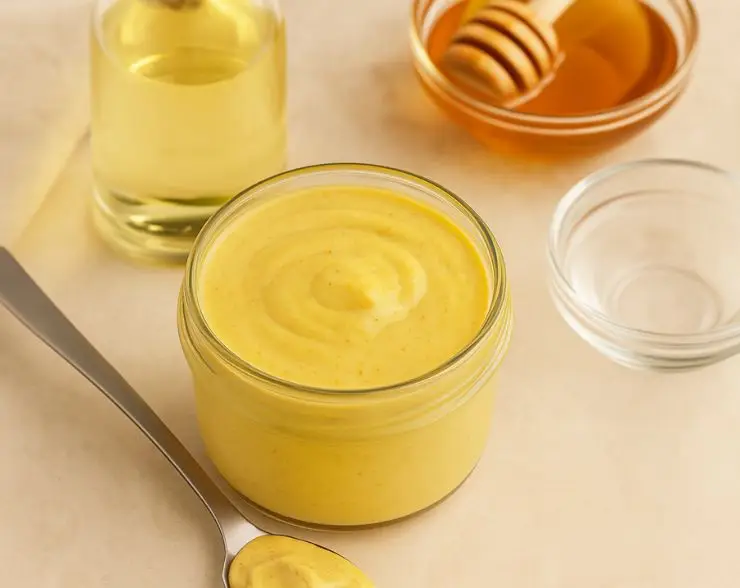
The Art of Crafting Homemade Dijon Mustard: A Culinary Journey
If you’re the kind of cook who believes that the smallest details can transform a dish, then mustard—especially Dijon—has likely earned a permanent spot in your galley. Among the vast landscape of condiments, Dijon mustard holds a special place with its velvety texture, gentle heat, and a depth that speaks of old-world charm and timeless utility.
Yes, you can buy it at the store. But once you’ve tasted the vibrancy of a jar you crafted yourself, you’ll understand why this humble condiment has captivated cooks for centuries. In this post, we’ll explore the rich origins of Dijon mustard, the benefits of making it at home, and the endless ways it can elevate your everyday cooking.
🇫🇷 A Legacy from the Heart of France
Dijon mustard traces its roots to Dijon, France, where it became a culinary treasure in the 18th century. Its signature twist? The use of white wine instead of vinegar—a decision that gives Dijon its characteristic bite and complexity.
Originally made with brown or black mustard seeds, Dijon mustard was bolder and spicier than the yellow mustard we know in the U.S. It was a staple in French kitchens, and soon, a fixture across Europe and beyond. Though the commercial production process has changed over time, the soul of Dijon remains untouched: clean heat, layered flavor, and a finish that lingers without overpowering.
The Flavor Advantage: Why Fresh Wins
Store-bought mustard might be convenient, but it’s often a shadow of what it could be. Over time, mustard’s intensity fades, and what was once sharp and flavorful becomes flat and forgettable.
Homemade Dijon, on the other hand, is alive with character. It’s bold yet balanced, fresh yet familiar. The flavors are vibrant and customizable, and the texture can be adjusted to your liking—smooth and creamy or just slightly rustic.
Once you taste it, you’ll never look at the store-bought stuff the same way again.
A Blank Canvas for Flavor Play
One of the true joys of making your own Dijon mustard is the freedom it gives you. You’re not confined to one flavor profile—you’re free to experiment.
Add honey or maple syrup for a hint of sweetness.
Stir in smoked paprika, horseradish, or crushed red pepper flakes for a touch of fire.
Infuse it with rosemary, tarragon, or even citrus zest for something totally unexpected.
This isn’t just a recipe—it’s a template for culinary creativity. Every batch can be a little different, reflecting your mood, the season, or the meal you’re pairing it with.
Ready to Make It?
There are three ways to make Dijon mustard at home:
Fermented – Lacto-fermented with whey for probiotic benefits and long shelf life.
Quick-Cooked – Lightly simmered to mellow sharpness, ready within a day.
No-Cook – Bold and zesty, made in minutes.
Final Thoughts
Making Dijon mustard at home isn’t just about ditching the additives—it’s about embracing something more deliberate, flavorful, and personal. It’s a small act of craftsmanship that makes a big impact in your kitchen.
Homemade Dijon Mustard
Ingredients
Base Ingredients (all versions)
- 1/2 cup dry mustard powder
- 1/3 cup dry white wine
- 1/4 cup white wine vinegar (or apple cider vinegar)
- 1 tsp kosher or sea salt (without anti-caking agents)
- 1/2 tsp garlic powder (optional)
- 1/2 tsp turmeric (optional, for color)
- 1 – 2 tsp honey, raw and unfiltered
1 tsp gives a subtle roundness without making it sweet.
2 tsp smooths out the sharpness even more and works great if using the no-cook or quick-cooked method.
Instructions
Option 1: Fermented Dijon Mustard
- A probiotic mustard that mellows as it ferments.
- 1 tablespoon fresh whey (from strained yogurt or kefir)
- Whisk all ingredients—including the whey—in a clean glass jar or bowl until smooth.
- Cover loosely with a cloth or fermentation lid.
- Let ferment at room temperature for 24 to 48 hours. Taste after 24; longer = milder.
- Seal with a tight-fitting lid and refrigerate.Flavor develops more after 5–7 days.
Option 2: Quick-Cooked Dijon Mustard
- Combine all ingredients in a small saucepan.
- Warm over low heat for 2–3 minutes, stirring constantly. Do not boil.
- Let cool to room temperature.
- Transfer to a clean jar and refrigerate. Use after 1–2 days for best flavor.
- Milder than raw mustard, ready fast, no fermentation required.
Option 3: No-Cook, No-Ferment Dijon Mustard
- Whisk all ingredients together until smooth.
- Let sit at room temperature for 1 hour.
- Store in the fridge and use after 1–2 days to allow flavors to settle.
- Zippiest of the bunch—best for strong mustard lovers.
Shelf Life & Storage
- Fermented6 months or longerNaturally preserved by beneficial bacteria.
- Cooked2 to 3 monthsMild and stable; store in airtight container.
- No-Cook1 to 2 monthsSharpest flavor; mellows with time.
