
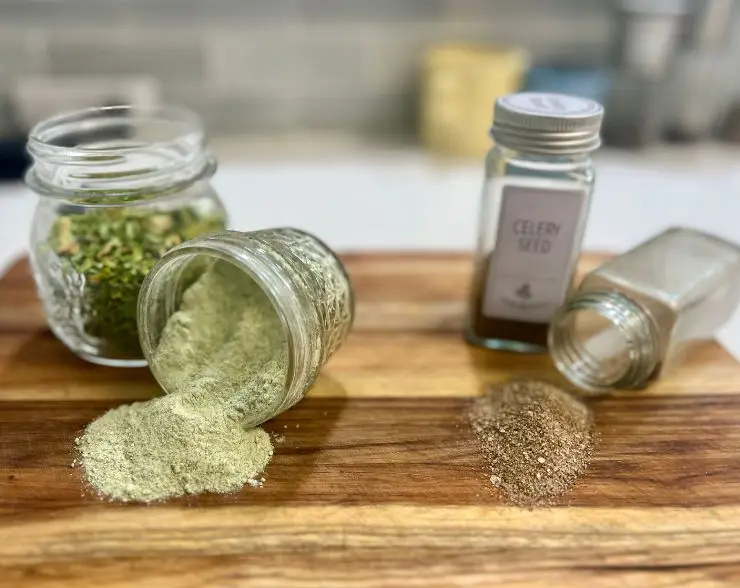
Homemade Celery Salt

Celery Salt

Why the kind you use matters, and why homemade changes everything

Celery salt is one of those seasonings people use without giving it much thought. It shows up in potato salad, coleslaw, Bloody Marys, maybe sprinkled on tomatoes, and then it gets pushed to the back of the spice drawer.

But celery salt isn’t just celery plus salt, and not all versions taste or behave the same. Once you understand what it’s made from and how different forms of celery and salt affect flavor, it becomes clear why making your own is worth the few minutes it takes.

This is one of those quiet pantry staples that becomes far more useful when you’re in control of it.


The Two Ways Celery Salt Is Made

There are two main ways to make celery salt. Neither is wrong, but they create very different flavor profiles and serve different purposes in the kitchen.

Celery Salt Made with Celery Seed

This is the most common and familiar version.

Celery seed has a deep, warm, slightly bitter edge. It’s concentrated and powerful, which is why it’s used in small amounts. When combined with salt, it creates that classic deli-style celery salt flavor many people recognize.

This version works especially well in:

  • Potato salad and egg salad

  • Coleslaw

  • Pickling blends

  • Bloody Marys

  • Traditional American comfort foods

Because celery seed is strong, it needs to be treated carefully. Teaspoons matter. Too much, and the seasoning becomes harsh instead of supportive.

Celery Salt Made with Dried Celery Flakes

This version is less common, but often more versatile.

Dried celery flakes bring a lighter, greener, more vegetable-forward flavor. Instead of the sharp seed note, you get something closer to fresh celery, just concentrated and shelf-stable.

This version shines in:

  • Soups and stews

  • Broths and stock

  • Roasted vegetables

  • Rice and grain dishes

  • Everyday cooking where celery flavor matters but bitterness doesn’t

If you’ve ever found store-bought celery salt overpowering, this version is often the better choice.


Why Homemade Celery Salt Tastes Better

Most store-bought celery salt is made with highly refined salt and celery seed only. Highly refined salt is chosen for uniformity, shelf stability, and cost, not for nutrition or flavor.

During refining, salt is stripped of its naturally occurring minerals and often bleached to achieve a bright white appearance. This process leaves a product that seasons food aggressively, but without balance or depth. Over time, relying heavily on refined salt can dull taste perception and contribute to sodium imbalance, especially when it’s used as a primary seasoning.

Making celery salt at home allows you to choose a salt that fits your values and your kitchen, whether that’s kosher salt, a mineral-rich salt, or another option you’re comfortable using regularly. You’re not locked into one type of salt or one flavor profile.

Celery Salt (Two Ways)

Gari McMellon
Homemade celery salt has cleaner flavor and better balance than most store-bought versions. This recipe includes two simple methods, one using celery seed for a classic flavor, and one using dried celery flakes for a fresher, more vegetable-forward option. Both follow the same strength rule so the celery flavor is present without becoming bitter.
Prep Time 5 minutes
Course condiment, ingredient, seasoning
Cuisine American, Global, Mediterranean

Equipment

Ingredients
  

Version 1: Classic Celery Salt (Using Celery Seed)

Version 2: Celery Salt (Using Dried Celery Flakes)

Instructions
 

Version 1: Classic Celery Salt (Using Celery Seed)

This version is closest to traditional store-bought celery salt, but with better balance and aroma.

  • Place celery seed in a spice grinder or mortar
    Grind lightly until cracked and aromatic, not powdered
    Add kosher salt
    Pulse or mix until evenly combined
    Transfer to a clean, dry glass jar

Notes

  • Celery seed is strong, teaspoons matter
    Start with 1½ teaspoon for a lighter flavor
    Increase to 2 teaspoons if you prefer a stronger celery note

Version 2: Celery Salt (Using Dried Celery Flakes)

This version has a brighter, greener celery flavor and works especially well in soups and vegetable dishes.

  • Make sure dried celery flakes are fully dry and cool
    Place celery flakes and salt in a spice grinder or blender
    Pulse briefly until evenly mixed, stop before it becomes powdery
    Transfer to a clean, dry glass jar

Notes

  • Use tablespoons for dried celery, not teaspoons
    Flakes give a fresher, vegetable-forward flavor than seed

Storage

  • Store in an airtight glass jar
    Keep away from heat and direct light
    A small food-safe clay desiccant pack helps prevent clumping
    Flavor is best within one year
Keyword flavorful, homemade, quick, vegetable-based
Tried this recipe?Let us know how it was!