
Why Make Your Own Mustard?
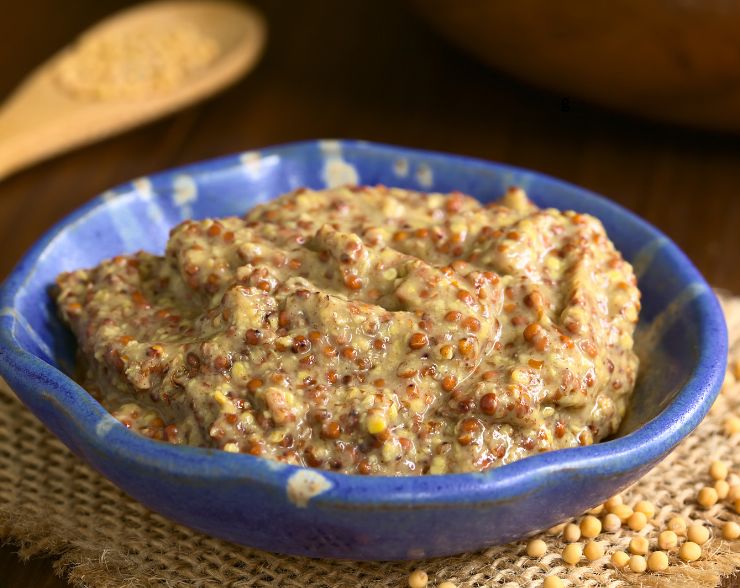
Mustard earns its place in the kitchen, whether you’re spreading it on a sandwich, stirring it into a dressing, or adding it to a sauce. Making your own whole grain mustard is an easy project that gives you control over the ingredients, flavor, sweetness, and texture.
You can keep it rustic with plenty of seeds intact or blend it a little finer. Choose a soaking liquid you enjoy and adjust the sweetness to make a mustard that suits your taste.
Understanding Mustard Seeds
There are three main types of mustard seeds: yellow, brown, and black. Each brings a different level of pungency to the finished mustard.
Yellow mustard seeds, also called white mustard seeds, are the mildest of the three. They provide a mellow foundation and work well combined with stronger seeds.
Brown mustard seeds have a sharper bite and are commonly used in Dijon-style and whole grain mustards. This recipe combines yellow and brown seeds for a balance of flavor and mustard heat.
Black mustard seeds are strongly pungent and are also used in Indian cooking. They are another option for mustard making, although this recipe uses the more readily available yellow and brown seeds.
Choosing Your Soaking Liquid
The liquid you use helps shape the mustard’s flavor. Apple cider vinegar supplies acidity and a sharp vinegar bite, while water, beer, white wine, apple cider, or Champagne each brings something different.
Water lets the mustard flavor take the lead. Beer adds depth, wine or Champagne contributes its own character, and apple cider brings a gentle apple flavor.
Keep the vinegar amount called for in the recipe and customize the additional liquid. Champagne here means the wine, rather than Champagne vinegar.
Soaking and Blending
Soaking softens the seeds so they are easier to blend. Allow 48 hours, keeping the covered mixture in a cool place or in the refrigerator if your kitchen is warm. If your schedule changes and you need longer before blending, refrigerate the mixture.
The seeds should look plump, but they may not absorb every drop of liquid. Any remaining soaking liquid goes into the food processor with them.
For a rustic whole grain texture, blend until the mustard becomes thick and spreadable while leaving some seeds intact. You control how coarse or fine the finished mustard will be.
Adjusting the Sweetness
Honey and brown sugar balance the mustard’s sharpness. Start with the smaller amount of brown sugar in the recipe, then taste after the mustard has rested before adding more.
Sweetener softens the impression of the heat, so you can make a bolder mustard or a sweeter one without changing the seed mixture.
Giving the Flavor Time to Mellow
Freshly blended mustard can taste bitter or harsh. Refrigerate it for one to two days before judging the finished flavor. That resting time allows the flavors to come together and the initial bitterness to mellow.
The mustard will also thicken as it rests. If it becomes thicker than you like, stir in a little water to bring it back to a spreadable consistency.
Homemade Whole Grain Mustard
Ingredients
- 1/3 cup Yellow mustard seeds
- 1/4 cup Brown mustard seeds
- 1/2 cup apple cider vinegar, 5% acidity
- 1/3 cup water, beer, white wine, apple cider, or Champagne
- 1/2 tsp Kosher salt
- 1 Tbsp Honey
- 1-3 Tbsp Brown sugar
Instructions
- Combine the yellow and brown mustard seeds, apple cider vinegar, and your chosen liquid in a clean glass bowl or jar. Stir well and cover.
- Let soak for 48 hours in a cool place at room temperature. If your kitchen is warm or hot, refrigerate the mixture during the soak. The seeds should become plump and softened; some liquid may remain. If you need more time before blending, keep the mixture covered in the refrigerator.
- Transfer the seeds and all remaining soaking liquid to a food processor. Add the salt, honey, and 1 tablespoon brown sugar.
- Pulse to begin breaking up the seeds, then process until the mixture is thick and spreadable, with some seeds remaining intact. Stop and scrape down the bowl as needed. If the mixture is too thick for the blades to move it, add your chosen liquid 1 teaspoon at a time, processing after each addition.
- Spoon the mustard into a clean glass jar, cover tightly, and refrigerate for 1–2 days before serving. Freshly blended mustard can taste bitter or harsh; this resting time allows the flavor to mellow.
- Stir and taste the mustard after it has rested. For a sweeter mustard, stir in additional brown sugar, 1 tablespoon at a time, using no more than 3 tablespoons total. Refrigerate after adjustin
Notes
- The liquid you choose contributes to the finished flavor. Use drinking Champagne, not Champagne vinegar.
- The mustard will thicken as it rests. If needed, stir in a small amount of water to restore a spreadable consistency.
Storage
- Keep tightly covered in the refrigerator and use a clean utensil when serving. This recipe does not have a verified refrigerated shelf life and is not intended for canning or room-temperature storage.
