
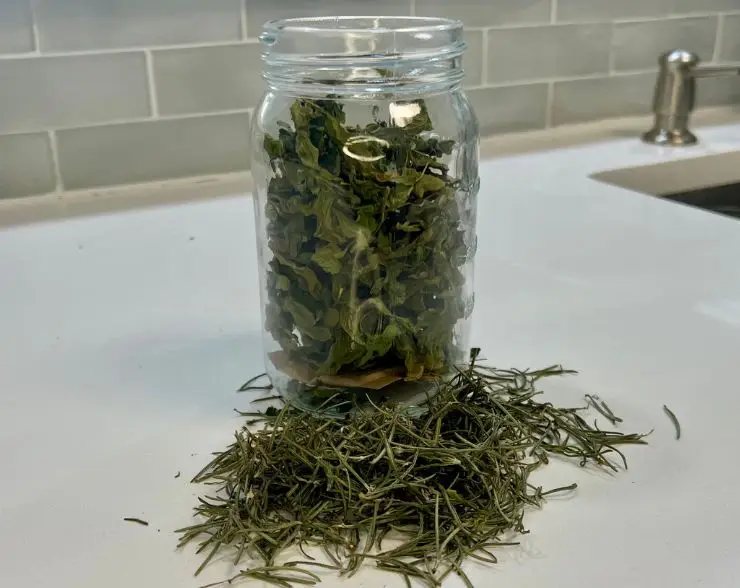
How to Dehydrate Herbs at Home

How to Dehydrate Herbs at Home

Dehydrating herbs is a fantastic way to preserve their vibrant flavors and aromas for long-term use, allowing you to enjoy the bounty of your garden or farmer’s market throughout the year. Whether you grow your own herbs or purchase fresh bunches, dehydration is a simple, cost-effective method that locks in taste without the need for refrigeration or preservatives.

Why Dehydrate Herbs?

  • Extended Shelf Life: Fresh herbs spoil quickly, but dehydrated herbs can last for months or even years when stored properly.

  • Concentrated Flavors: Drying intensifies the essential oils in herbs, making their flavors more potent — meaning you can use less in recipes.

  • Convenience: Having a pantry stocked with your favorite dried herbs means you’re always ready to enhance soups, sauces, marinades, and more.

  • Cost Savings: Dehydrating fresh herbs yourself is often more economical than buying pre-packaged dried herbs.

  • Sustainability: Preserving herbs reduces food waste and reliance on commercially packaged products that may include additives.

Tips for Successful Dehydration

  • Harvest at the Right Time: Pick herbs in the morning after dew has evaporated for optimal flavor.

  • Wash & Dry: Rinse herbs gently and pat dry before dehydrating to prevent mold.

  • Prep Properly: Remove leaves from woody stems to help them dry uniformly.

  • Dry Completely: Herbs are ready when they crumble easily between your fingers — any remaining moisture can cause spoilage.

  • Store Smart: Keep dried herbs in airtight containers away from heat and light to preserve potency.

A Quick Note on Store-Bought Herbs

If you do purchase dried herbs, it’s worth checking the labels. Look for herbs that are non-irradiated (not treated with gamma rays, X-rays, or electron beams, which can dull flavor and nutrients), GMO-free, and free from additives like salt, MSG, preservatives, or vague “natural flavors.” The best dried herbs should list just one ingredient: the herb itself.

A Quick Note on Irradiation

Irradiation isn’t just a fancy word — it literally means exposing food to gamma rays, X-rays, or electron beams. Companies use this to sterilize large batches quickly. While it doesn’t make food “radioactive,” it does affect delicate compounds in herbs — like antioxidants, enzymes, and essential oils — the very things that give them their bright flavor and aroma. That’s why non-irradiated herbs smell fresher, taste stronger, and keep more of their natural goodness.

Ready to Get Started?

Now that you know why dehydration is such a powerful preservation method, let’s look at the specifics. Below you’ll find a step-by-step recipe card with temperatures, drying times, and storage tips for different herbs so you can build your own pantry of garden-fresh flavor.

Dehydrating Herbs: Temperatures & Times

Dehydrating herbs is one of the easiest ways to preserve fresh flavor year-round. Using a dehydrator set to a low temperature (95°F–115°F), herbs like basil, mint, parsley, rosemary, and thyme can be dried until crisp and crumbly. Soft herbs require gentler heat and shorter times, while woody herbs take a bit longer. Once dried, store your herbs in airtight containers away from light and heat for the best flavor that lasts up to a year.

Equipment

Instructions
 

General Guidelines

  • Temperature: Herbs are delicate — keep it low (95°F–115°F).
    Airflow: Good circulation is just as important as heat.
    Dryness Test: Leaves should be crisp and crumble easily when rubbed between fingers.

Soft, Tender Herbs (95°F–105°F)

  • These herbs bruise and lose oils easily, so dry them at the lowest setting.
    Basil: 12–24 hours
    Mint: 12–18 hours
    Cilantro (Coriander leaves): 8–12 hours
    Parsley: 8–12 hours
    Tarragon: 6–10 hours
    Dill (fronds): 8–12 hours

Medium Herbs (100°F–110°F)

  • A bit sturdier, can handle slightly more heat.
    Oregano: 8–12 hours
    Thyme: 8–12 hours
    Marjoram: 6–10 hours
    Chervil: 8–12 hours
    Savory: 8–12 hours

Woody, Hardy Herbs (105°F–115°F)

  • Thicker leaves and stems take longer.
    Rosemary: 10–14 hours
    Sage: 10–14 hours
    Bay leaves: 12–24 hours
    Lemongrass (chopped): 12–16 hours

Wash & Dry

  • Rinse herbs quickly in cool water to remove dirt or insects. Shake off excess water and pat gently with a towel, or let them air-dry completely before dehydrating.

Storage Tips

  • Cool completely before sealing.
    Store in airtight jars away from light and heat.
    Best flavor: within 6–12 months.
Tried this recipe?Let us know how it was!