
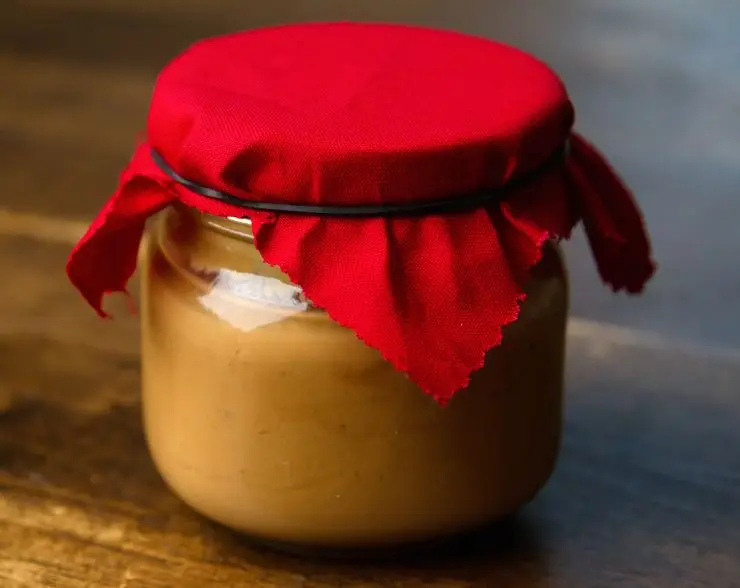
Homemade Peanut Butter: Pure, Simple, and Better Than Store-Bought
There’s something deeply satisfying about making your own peanut butter. Not just because it tastes better (which it does), but because you control every ingredient. No unnecessary oils, no added sugars, no preservatives—just pure, fresh-roasted peanuts and a little know-how.
But there’s more to it than just taste. Store-bought peanut butter, even the “natural” ones, can include unwanted ingredients like refined sugars, processed oils, emulsifiers, and even preservatives to extend shelf life. Many brands also use peanuts from large industrial farms, where quality and transparency take a backseat to volume.
Why It Matters Where Your Peanuts Come From
When you make peanut butter at home, you choose your ingredients—and that starts with the peanuts themselves. I recommend using dry-roasted, organic peanuts grown in the USA. Look for small family farms or reputable producers who prioritize soil health, responsible farming practices, and minimal processing.
Buying U.S.-grown peanuts supports local agriculture and gives you more confidence in food safety and sustainability standards. You’ll taste the difference—and your body will thank you for avoiding the additives and unknown origins behind many store-bought brands.
Clean Ingredient Confidence
Making peanut butter from scratch means skipping:
Hydrogenated oils
Processed sugar
Emulsifiers like mono- and diglycerides
“Natural flavors” (which aren’t always so natural)
Preservatives you can’t pronounce
It’s a pantry staple worth making fresh—just like so many things in our galley.
Gari’s Galley Tips
Want crunchy peanut butter? Stir in a handful of chopped peanuts after blending.
Coconut oil makes a firmer spread in the fridge—great for baking or spreading on warm toast.
This recipe also works with roasted almonds, cashews, or pecans.
Don’t add water! It can cause spoilage.
Homemade Peanut Butter
Ingredients
Optional Add-Ins:
- 1-2 tsp cold-pressed oil (avocado, coconut, or extra virgin olive oil) – for smoother texture
- 1/2 tsp kosher salt – if using unsalted peanuts
- 1 tbsp honey or maple syrup – for sweetness
- 1/2 tsp vanilla extract – for a flavor boost
Instructions
- 1. Set up your food processorSecure the blade and bowl. Optional: lightly oil the blade for easier cleanup.2. Add the peanutsPlace 2 cups of roasted peanuts into the food processor.3. Blend in stagesProcess on high in 1-minute bursts, scraping down the sides between each round:Texture progression: crumbly → thick paste → smooth butterTotal time: 3–6 minutes, depending on your machine4. Adjust the textureIf the peanut butter is too thick or dry, blend in cold-pressed oil ½ tsp at a time, up to 2 tsp total, until creamy.5. Optional flavor upgradesBlend in your desired extras:Salt – if peanuts were unsaltedHoney or maple syrup – for a hint of sweetnessVanilla – for a touch of depth6. Taste and tweakBlend again in short bursts to adjust flavor or consistency.
- 7. StoreTransfer to an airtight jar:Room temp: Up to 2 weeksRefrigerated: Up to 1 monthNatural oil separation is normal — just stir before using
Tips
- For chunky peanut butter, blend smooth first, then pulse in an extra handful of peanuts.If using coconut oil, it will firm up more when refrigerated.Avoid adding water — it can shorten shelf life.This recipe also works with roasted almonds, cashews, or pecans.
