
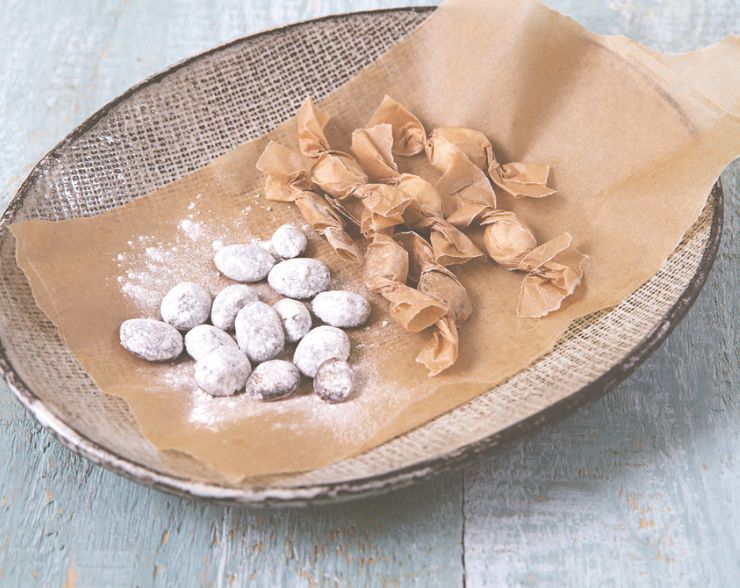
Homemade Honey Cough Drops: Real Ingredients, Real Relief
When cough and throat irritation set in, many people reach for store-bought cough drops without a second thought. They’re familiar, brightly packaged, and marketed as fast relief. But a closer look at the ingredient list often tells a different story, one filled with artificial dyes, refined sweeteners, synthetic flavors, and preservatives that do little to support the body.
Homemade honey cough drops offer an alternative rooted in simplicity and intention. This old-fashioned approach relies on real ingredients that have been used for generations, not just to mask symptoms, but to gently support the throat and respiratory system.
Why Ingredient Choice Matters
Cough drops are designed to sit in the mouth, dissolve slowly, and coat the throat. That makes ingredient quality especially important. What lingers in your mouth shouldn’t be an afterthought.
Making cough drops at home allows you to avoid unnecessary additives and focus instead on ingredients that serve a purpose, both structurally and functionally.
Honey
Honey is the foundation of these cough drops. When cooked to the hard-crack stage, honey does lose some of its most delicate components, particularly certain enzymes and a portion of its antioxidant activity. Acknowledging that is important.
But heating honey does not strip it of everything that makes it valuable.
Even after high heat, honey still provides meaningful benefits:
Throat-coating properties
Honey’s thick, smooth texture helps coat irritated tissue, which can calm coughing and reduce throat discomfort. This physical effect remains intact after cooking.
Antimicrobial support
Honey’s natural acidity and high sugar concentration continue to create an environment that discourages bacterial growth.
Trace minerals
Minerals such as potassium, calcium, and magnesium are heat-stable and remain present.
A less refined sweetener
Even when cooked, honey avoids the bleaching agents, chemical processing, and petroleum-derived additives found in refined sugars and corn syrup.
In this recipe, honey isn’t being used as a “superfood.” It’s being used intentionally, for structure, soothing texture, and gentle support, and it still delivers on all three.
Lemon
Lemon juice does lose some vitamin C when exposed to high heat. Vitamin C is heat-sensitive, and cooking reduces its contribution in that specific way.
But vitamin C is not the primary reason lemon belongs in a cough drop.
Even after cooking, lemon continues to play an important role:
Helps loosen mucus
Lemon’s natural acidity helps thin and loosen mucus, making coughs more productive and easing throat congestion.
Stimulates saliva production
Increased saliva helps relieve dryness and irritation, reducing the urge to cough.
Balances flavor
Lemon cuts through honey’s sweetness, preventing the cough drops from becoming cloying when the throat is already irritated.
Supports structure
The acidity of lemon juice helps the honey reach a stable hard-crack stage without added sugar or corn syrup.
Function matters more than perfection here. Lemon earns its place even after some nutrient loss.
Warming Spices With Purpose
These cough drops rely on a carefully balanced blend of spices that have long been used in traditional remedies.
Ginger helps calm inflammation and adds gentle warmth that soothes the throat.
Ceylon cinnamon is milder than common cassia cinnamon and provides warmth without harshness.
Turmeric supports inflammation response and adds earthy balance.
Cloves, used sparingly, contribute soothing compounds traditionally associated with throat and mouth comfort.
Black pepper, even in a pinch, helps activate turmeric’s beneficial compounds and adds gentle warmth.
Together, these ingredients support the throat without overwhelming it.
What’s Commonly Found in Store-Bought Cough Drops
Many commercial cough drops rely on ingredients chosen for shelf life and appearance rather than function.
Common examples include:
High fructose corn syrup or refined sugar, used purely for sweetness
Artificial colors such as Red 40, Yellow 5, and Blue 1, derived from petroleum sources
Artificial flavors, created in laboratories rather than kitchens
Chemical preservatives, added for stability, not support
Synthetic menthol, which creates a cooling sensation without actually soothing tissue
These ingredients may numb symptoms temporarily, but they don’t contribute to healing or comfort.
A More Intentional Alternative
Homemade honey cough drops aren’t about fear or perfection. They’re about awareness.
They allow you to choose ingredients that still make sense after processing, instead of relying on ingredients that never did. Even with some nutrient loss from heat, honey and lemon remain purposeful, functional choices that align with how the body actually responds to irritation.
Relief doesn’t have to come in neon colors or artificial flavors. Sometimes it comes from slowing down, using real ingredients, and making choices rooted in understanding rather than marketing.
Important Safety Note
Making honey cough drops requires cooking honey to the hard-crack stage, which reaches very high temperatures. Hot honey can cause serious burns if spilled or touched before cooling. Read the instructions fully before starting, use a reliable thermometer, and work slowly and deliberately. Keep children and pets out of the kitchen while cooking.
Homemade Honey Cough Drops
Equipment
- Heavy-bottomed saucepan (small or medium)
- Heat-safe spoon or silicone spatula
- Baking sheet
- parchment paper
- Fine-mesh sieve
- Optional: silicone candy molds
Ingredients
⚠️ Safety First (Please Read Before Starting)
Honey cooked to hard-crack stage reaches 300–310°F and behaves like molten sugar. It can cause serious burns if spilled or splashed.Keep children and pets out of the kitchen Do not touch the mixture while hotWork slowly and stay focusedHave your workspace fully prepared before turning on the heat
Ingredients
- 1 cup raw and unfiltered honey
- Juice of 1 lemon
- 1 tsp ground ginger
- 1/2 tsp Ceylon cinnamon
- 1/4 tsp ground turmeric
- 1/8 tsp ground cloves
- Pinch of black pepper
- Powdered sugar or cornstarch, for dusting
Instructions
Prepare Your Workspace
- Line a baking sheet with parchment paper.Lightly dust with powdered sugar or cornstarch using a sieve.Place the baking sheet next to the stove.If using silicone molds, place them on a baking sheet and lightly dust as well.Once the honey is hot, you will not have time to prep.
Cooking the Honey
- Add all ingredients to a cold saucepan.Attach the thermometer so the tip is submerged but not touching the bottom.Set heat to medium.
What to Expect
The honey will liquefy and begin bubblingFoam may rise, this is normalWatch carefully and do not walk awayIf the honey begins to climb too high in the pot, lower the heat slightly. Avoid aggressive stirring once it is boiling steadily.
Hard-Crack Stage
- Continue cooking until the mixture reaches 300–310°FAnywhere in this range is acceptable and considered hard crackDepending on your stove, this can take 8–15 minutesOnce the temperature is reached, remove the pan from heat immediately.
Forming the Drops
Spoon Method:
Carefully spoon small puddles onto the prepared parchment.Work slowly and deliberately — the honey sets fast.Do not touch or adjust the drops once poured.Mold Method:
Carefully pour into prepared silicone molds using a spoon or heat-safe measuring cup.
Storage
- Store in an airtight container at room temperatureSeparate layers with parchment paperKeep away from moisture and humidity
Thermometer note:
- A candy thermometer is ideal, but a heat-safe meat thermometer works just fine. Keep the probe submerged in the honey without touching the bottom of the pan.
Notes
- Not suitable for children under 1 yearThis is a traditional soothing remedy, not medicationIf drops become sticky, humidity is usually the cause, not under-cooking