
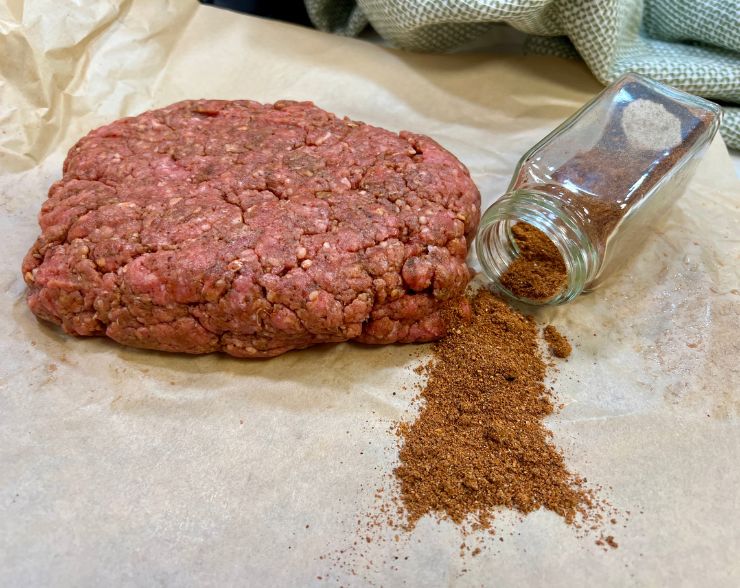
Chorizo, and Why We Love It
Chorizo is one of those ingredients that doesn’t need much to make an impact. It’s deep in color, rich, a little smoky, and layered with warm spices that build flavor fast. It’s spicy, but not in a way that overwhelms, it’s more about depth than heat.
Traditional Mexican chorizo is a fresh sausage, most often made with pork, and what really sets it apart is how that flavor is built. It starts with dried chiles, something like ancho or guajillo, blended with vinegar into a thick paste. That mixture is what gives chorizo its signature red color and that bold, slightly tangy, peppery flavor.
That chile and vinegar base gets mixed into ground meat, and then it rests. Not just for a few minutes, but long enough for everything to come together. The vinegar brings that tang, and over time, the flavors deepen and take on that slightly “funky” edge that makes chorizo taste like chorizo.
That’s the part people recognize, even if they don’t realize what they’re tasting.
What’s Actually in Store-Bought Chorizo
If you’ve ever picked up one of those tubes from the store and flipped it over, the ingredient list can be a little surprising.
Some versions include:
- salivary glands
- lymph nodes
- added fat
- fillers like soy
- preservatives to extend shelf life and maintain color
That’s not what most people picture when they think they’re buying ground pork or beef.
Now, not every brand is the same, but it’s a good reminder that chorizo in the store is often built for cost and shelf life, not necessarily for quality or simplicity.
The Flavor Isn’t Coming From That
Here’s the important part.
The flavor people love in chorizo doesn’t come from any of those added ingredients.
It comes from:
- chiles
- spices
- vinegar
- and time
That’s it.
That deep red color, that tangy bite, that warm, savory finish, it’s all coming from the seasoning and the way it’s used.
Making Your Own Changes Everything
When you make chorizo yourself, you control all of it.
You choose:
- the meat
- the quality
- the fat level
- and exactly what goes into it
Whether that’s ground pork, beef, turkey, or chicken, it’s completely up to you.
And instead of relying on a long ingredient list, you’re building that same flavor with a simple blend of spices and a little vinegar.
More Than Just Chorizo
This is where this blend really earns its place in your kitchen.
Yes, it makes great chorizo. But it also works as an everyday seasoning you’ll reach for more than you expect.
Use it on:
- scrambled eggs
- roasted potatoes
- sautéed vegetables
- ground chicken or turkey
It brings that same warm, smoky flavor without needing to make a full batch of sausage.
Homemade Chorizo Seasoning
Equipment
Ingredients
- 1 tbsp ancho chili powder
- 1 tbsp chili powder
- 1 tbsp smoked paprika
- 2 tsp ground cumin
- 1½ tsp dried oregano
- 1 tsp garlic powder
- 1 tsp onion powder
- 1 tsp kosher salt
- 1/2 tsp black pepper
- 1/2 tsp ground coriander
- 1/2 tsp cayenne pepper
- 1/4 tsp cayenne pepper, adjust to heat
- 1/8 tsp ground cinnamon
- 1/8 tsp ground allspice
Instructions
Seasining Blend
- Make the seasoning blend.Add all spices to a small bowl.Mix until fully combined.For a more uniform blend, add the mixture to a spice grinder and pulse once or twice. This step is optional but helps the flavors come together.Store in an airtight container in a cool, dry place.
To Make Chorizo
- Season the meat.Add 2 tablespoons of the seasoning blend to 1 pound of ground meat. This can be pork, beef, turkey, or chicken.Mix the seasoning into the meat until evenly distributed.Add the vinegar.Pour in 2 tablespoons of apple cider vinegar, 5% acidity.Mix again until the meat becomes slightly sticky and well combined. This step is what gives chorizo its signature flavor.Rest the mixture.Cover the seasoned meat and refrigerate for at least 8 hours, or overnight for best flavor.This allows the spices to fully develop.Use in any recipe that calls for chorizo.
Notes
- Use 2 tablespoons seasoning and 2 tablespoons vinegar per pound of meat.Without vinegar, this works as a smoky, all-purpose seasoning.Use 1 to 2 teaspoons as a general seasoning for eggs, potatoes, vegetables, or ground chicken.
