
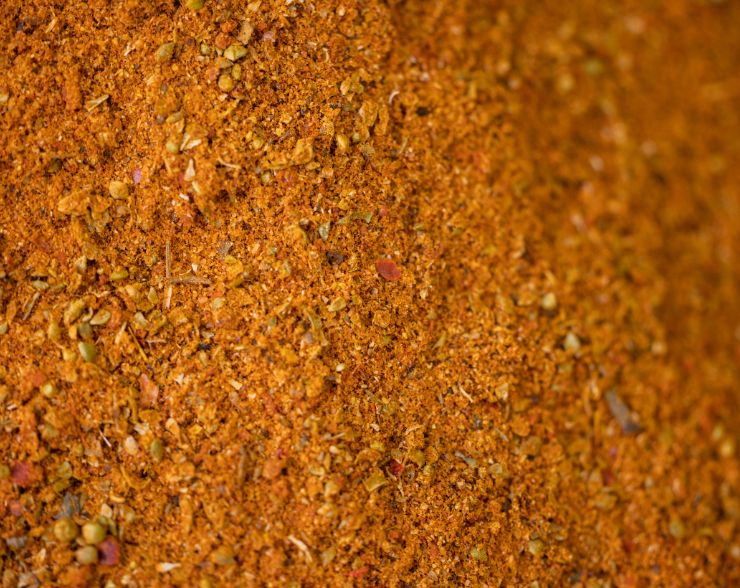
Homemade Chili Seasoning Blend

Why I Make My Own Chili Seasoning (and Why You Might Want To)

If you’ve ever made chili and felt like something was missing, even after adding more seasoning, it often comes down to what’s actually in the seasoning and how fresh it is.

Most store-bought chili seasoning packets are designed for consistency and shelf life, not flavor. They rely on salt, fillers, and stabilizers to deliver the same taste year after year, but they don’t take into account how chili actually develops flavor as it cooks.

Making your own chili seasoning changes that completely.

This homemade blend is meant to be classic, familiar, and approachable, not fancy or complicated. It’s the kind of chili flavor most people recognize, just built from real spices you can see and adjust.

What “Classic Chili Flavor” Really Means

Classic chili isn’t about heat. It’s about balance.

A good chili seasoning should be:

  • Warm and savory, not spicy-forward

  • Friendly to tomatoes and ground beef

  • Deep enough to hold up to simmering

  • Rounded, not flat or dusty

That balance comes from layering spices like chili powder, cumin, paprika, garlic, onion, oregano, and coriander in the right proportions. When those spices are fresh and properly bloomed in fat, the chili tastes richer without needing more ingredients.

This is why I keep this blend simple and familiar, and why I don’t rely on packets.


Why Freshness Matters More Than You Think

One of the biggest differences between homemade seasoning and store-bought packets is freshness, not just the ingredient list.

Individual spices lose strength over time. Chili powder, cumin, paprika, and dried oregano are especially prone to fading when they’ve been sitting open or stored in warm, bright spaces. As spices age, their flavor becomes muted, which often leads people to add more seasoning without ever quite getting the result they want.

When you make your own blend, you’re not locked into a fixed flavor profile. You can adjust amounts based on how fresh your spices are, and you can taste and correct as you go. That flexibility is part of real cooking, and it’s why seasoning amounts aren’t always exact. If your spices are older, you may need more. If they’re fresh, you’ll need less.

For that reason, all of the spices used in this recipe are linked directly. I choose spices that are non-irradiated, salt-free, oil-free, non-GMO, and made without additives or preservatives. Those details matter because they affect both flavor strength and consistency, especially when you’re blending your own seasoning instead of relying on a packet.

Fresh spices don’t just taste better, they behave more predictably, and that makes cooking from scratch easier, not harder.

More Than Just Chili

This seasoning was designed for classic ground beef chili, but it doesn’t stop there. That same warm, savory profile works well in everyday cooking.

Use it for:

  • Taco meat or taco bowls

  • Ground beef or turkey for weeknight meals

  • Bean soups and stews

  • Chili mac or pasta dishes

  • Roasted potatoes or sweet potatoes

  • Beans, lentils, or vegetables

  • Burger patties or meatloaf

Once you have it mixed, it becomes a go-to pantry seasoning, not a one-recipe blend.

Homemade Chili Seasoning Blend

Gari McMellon
This is a classic American chili seasoning made with real spices, not a packet. It’s warm, savory, and balanced rather than spicy, designed to work especially well with ground beef and tomatoes. It’s simple enough for weeknight chili, but flexible enough to customize based on spice freshness and personal taste.
Prep Time 5 minutes
Course Appetizer, dinner, main dish
Cuisine American, Mexican

Ingredients
  

Salt Option

Unsalted blend (recommended for flexibility):Leave salt out and season the finished dish to taste.

Instructions
 

  • Measure each spice carefully and add them to a bowl or directly into a jar large enough to mix easily.
    Stir well, making sure everything is evenly distributed and there are no clumps.
    For a finer, more uniform blend, you can pulse the seasoning briefly in a spice grinder or small food processor. This step is optional, but it helps the flavors distribute more evenly when cooking.
    Transfer the finished seasoning to an airtight container. Store it in a cool, dark place with the rest of your spices, away from heat and light.

How to Use

  • Use 3–6 tablespoons per 1 pound of ground beef, depending on spice freshness and how bold you like your chili.
    For best flavor, bloom the seasoning in fat for 30–45 seconds before adding liquids.

Notes on Spice Freshness

  • The amount of seasoning needed can vary depending on the freshness of the individual spices used to make the blend. Chili powder, cumin, paprika, and dried oregano all lose potency over time, especially if they’ve been sitting open or stored in warm or bright conditions. If your spices aren’t very fresh, you may need to use more seasoning to get the same depth of flavor. Always season to taste.
Keyword homemade, quick, seasoning, spicy
Tried this recipe?Let us know how it was!