
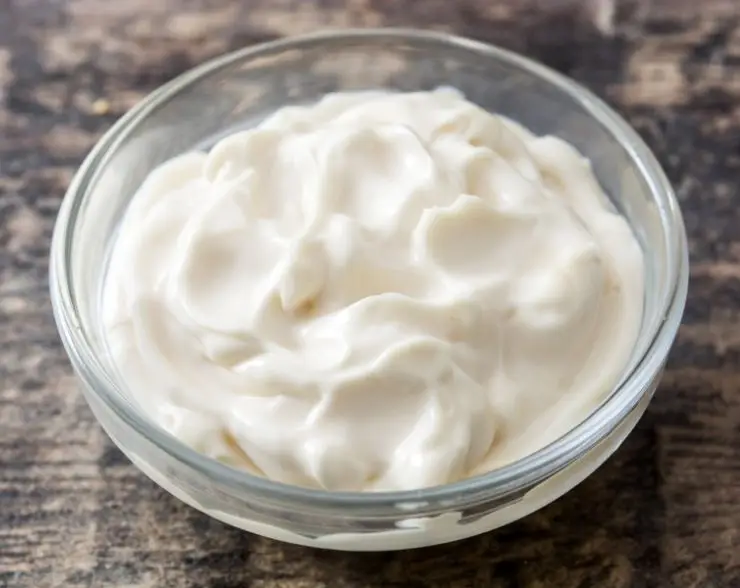
Homemade Sour Cream

Homemade Sour Cream (Clean, Simple & Tangy)

There’s something so satisfying about making your own sour cream. With just cream, a starter, and time, you can create something that’s rich, tangy, and miles fresher than the tub at the store. Plus, you avoid the gums, stabilizers, and mystery additives that sneak into commercial versions.

If you’ve ever flipped over a carton of cream, you’ve probably spotted ingredients like carrageenan or mono- & diglycerides. These additives are designed to thicken and stabilize — but they don’t belong in something as simple as sour cream. When you start with pure cream, the cultures do all the work naturally, and the result is smoother, cleaner, and better tasting.

The Base: Heavy Cream

Heavy cream is the foundation of homemade sour cream — it’s where the magic starts. The higher fat content gives sour cream its trademark richness, that smooth, silky texture that melts across a baked potato or stirs into a dip like velvet. Fat doesn’t just provide indulgence; it also plays a key role in the fermentation process. The live cultures need a stable, nutrient-rich environment to thrive, and cream provides exactly that.

But here’s the kicker: not all heavy cream is created equal. Many brands sneak in additives like carrageenan or mono- & diglycerides to artificially thicken and stabilize. Those additives can actually interfere with fermentation, leaving you with less-than-ideal results. For the cleanest, most reliable (and tastiest) sour cream, reach for pure heavy cream — just one ingredient on the label: cream.

Cultured Cultures: Buttermilk or Yogurt

Once you’ve got your cream, it needs a little help to transform into sour cream. That’s where your starter comes in. By stirring in cultured buttermilk or plain yogurt with live cultures, you’re introducing billions of beneficial bacteria that get to work fermenting the cream. These microbes consume the natural milk sugars (lactose), creating lactic acid — the compound responsible for sour cream’s tang and thickness.

Which starter you choose makes a real difference:

  • Buttermilk produces a brighter, sharper tang and mimics the familiar flavor of store-bought sour cream.

  • Yogurt creates a softer, creamier finish with a gentler tang — perfect if you like your sour cream on the milder side.

Both options are excellent, and part of the fun of making your own is experimenting to see which flavor profile you prefer.

The Finishing Touch: Sea Salt

After your sour cream has thickened and taken on its tangy flavor, stirring in a pinch of sea salt makes all the difference. It rounds out the flavor, balances the acidity, and enhances the cream’s natural sweetness. Just 1/8 teaspoon is enough to elevate it from “good” to “wow.” Skipping this step won’t ruin your sour cream, but adding it makes the flavor pop.


Tips for Success

  • Room Temperature Matters: Aim for about 70°F while culturing. Too cool, and it may take longer to thicken.

  • Patience Pays Off: Let the 24 hours work their magic — don’t rush it.

  • Experiment: Try both buttermilk and yogurt starters to see which flavor you love best.

  • Go Clean: Always check your cream’s label for purity — the fewer ingredients, the better.

Homemade Sour Cream

Making sour cream at home is simple, requires only cream and a starter, and gives you full control over flavor and ingredients. Using buttermilk produces a tangier, store-bought-style flavor, while yogurt results in a milder, less tangy taste. Stirring in a pinch of sea salt after culturing rounds out the flavor. Best of all, you can avoid the unwanted additives (like carrageenan and mono- & diglycerides) that often sneak into commercial cream.
Prep Time 5 minutes
Culturing time 1 day
Total Time 1 day 5 minutes

Ingredients
  

  • 1 cup heavy cream choose pure cream without additives like carrageenan or mono- & diglycerides)
  • 2 tbsp cultured buttermilk (more tangy, closer to store-bought flavor) or plain yogurt with live cultures (milder, less tangy)
  • 1/8 tsp  sea salt (added after culturing)

Instructions
 

  • In a clean glass jar, stir the cream and buttermilk (or yogurt) together until well combined.
    Cover loosely with a lid or a clean cloth.
    Let sit at room temperature (around 70°F) for 24 hours, or until thickened and tangy.
    Stir in the sea salt.
    Transfer to the refrigerator and chill for several hours before using.

Notes:

  • Flavor difference: Buttermilk gives a tangier taste, much like store-bought sour cream. Yogurt results in a gentler, less tangy flavor.
    Keeps for about 2 weeks in the fridge.
    Flavor develops more over time — tangier after a couple of days.
    For the best results, use pure heavy cream — no carrageenan, mono- & diglycerides, or other stabilizers. These additives can affect the culturing process and texture.
Tried this recipe?Let us know how it was!