
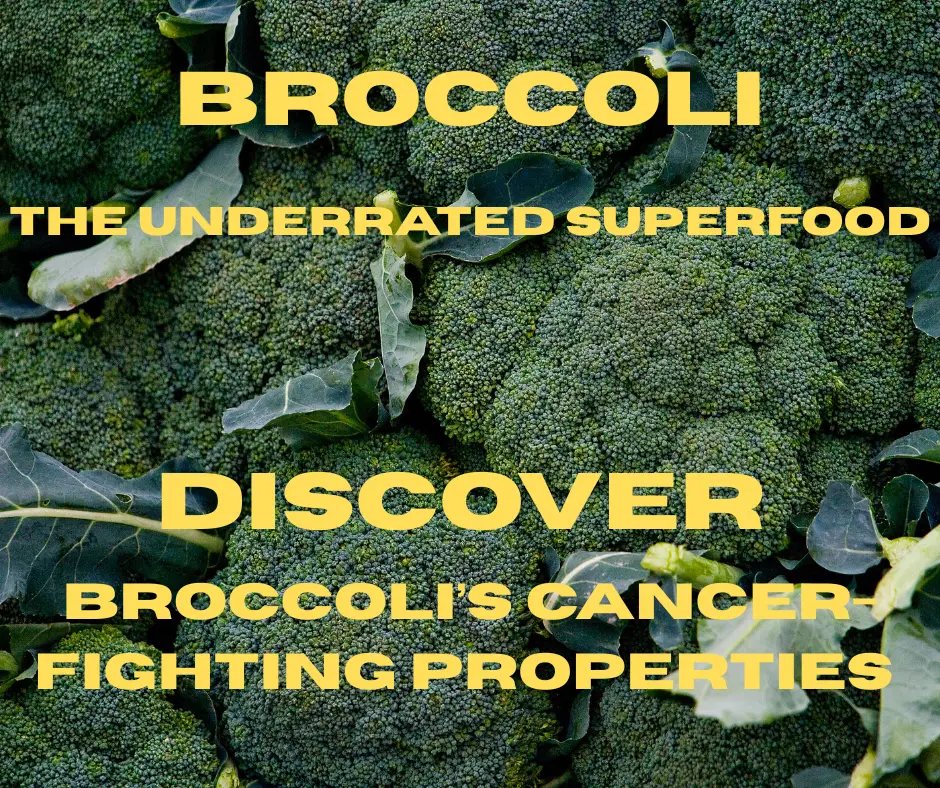
Broccoli: The Underrated Superfood
Often overshadowed by flashier vegetables like kale or brightly colored peppers, broccoli quietly holds its own as one of nature’s most impressive superfoods. With a bounty of health benefits nestled within its florets, broccoli deserves a top spot on our plates for its remarkable cancer-fighting properties and its high fiber content. Let’s take a closer look at why this cruciferous vegetable should be a staple in your diet and explore some delicious ways to prepare it while preserving its nutrient
Cancer-Fighting Properties
Broccoli is a member of the cruciferous vegetable family, which includes kale, cauliflower, and Brussels sprouts. One of the standout characteristics of broccoli is its rich content of glucosinolates, compounds that have been shown to possess cancer-fighting properties. When broccoli is chewed or chopped, these compounds break down into bioactive substances, such as sulforaphane, which has been extensively studied for its ability to stimulate the body’s detoxification enzymes and combat oxidative stress.
Research indicates that a diet rich in cruciferous vegetables like broccoli can help reduce the risk of several types of cancer, including breast, prostate, and colon cancer. The antioxidant properties of broccoli are believed to be key in preventing the growth of cancerous cells, making this humble vegetable an ally in cancer defense.
High Fiber Content
In addition to its cancer-fighting powers, broccoli is an excellent source of dietary fiber. A single cup of cooked broccoli provides about 5 grams of fiber, contributing to digestive health and aiding in the prevention of gastrointestinal diseases. High fiber intake is also linked to maintaining a healthy weight and lowering cholesterol levels, which ultimately supports heart health.
Moreover, fiber helps maintain stable blood sugar levels, making broccoli a good choice for those managing diabetes or looking to maintain energy throughout the day. The fiber present in broccoli can also create a feeling of fullness, aiding in appetite control and weight management.
Cholesterol-Lowering Benefits
In addition to its cancer-fighting properties and high fiber content, broccoli is a valuable ally in managing cholesterol levels. The soluble fiber in broccoli can help to bind with cholesterol in the digestive system, preventing its absorption into the bloodstream. This can aid in lowering total cholesterol levels, particularly LDL (often referred to as “bad” cholesterol), which is known to contribute to heart disease.
Research has shown that a diet rich in soluble fiber can lead to reductions in cholesterol levels, making broccoli and other fiber-rich foods an important part of a heart-healthy diet. Including broccoli in meals can support cardiovascular health by combining its cholesterol-lowering effects with its other beneficial properties.
Key Vitamins in Broccoli
1. **Vitamin C**: Broccoli is an excellent source of vitamin C, an antioxidant that supports the immune system, promotes skin health, and aids in the absorption of iron from plant-based foods.
2. **Vitamin K**: This vegetable is particularly high in vitamin K, which is crucial for blood clotting and bone health. Consuming adequate amounts of vitamin K can help maintain bone density and reduce the risk of fractures.
3. **Vitamin A**: Broccoli contains beta-carotene, which the body can convert into vitamin A. This vitamin is essential for maintaining healthy vision, skin, and immune function.
4. **Folate (Vitamin B9)**: Folate is vital for DNA synthesis and repair, making it particularly important for pregnant women and individuals looking to support overall cellular health. It also plays a role in red blood cell formation.
5. **Vitamin B6**: This vitamin is important for metabolism and brain health. It assists in the production of neurotransmitters that affect mood and cognition.
6. **Vitamin E**: While present in smaller amounts, vitamin E acts as an antioxidant, helping to protect cells from oxidative damage.
7. **Riboflavin (Vitamin B2)**: Broccoli also contains riboflavin, which is essential for energy production and the metabolism of fats, drugs, and steroids.
8. **Calcium**: While not a vitamin, broccoli is a good plant-based source of calcium, which is essential for maintaining strong bones and teeth.
Incorporating broccoli into your diet not only provides a wealth of cancer-fighting properties and fiber but also delivers an impressive array of essential vitamins. By enjoying this versatile superfood, you can support your immune system, boost bone health, and promote overall well-being. Whether steamed, sautéed, raw, or roasted, broccoli can enhance both your meals and your health! So, make sure to embrace this nutrient-dense vegetable for a healthier, more vibrant you.